The Art of Hospitality in a Busy Family Home
Redefining Hospitality
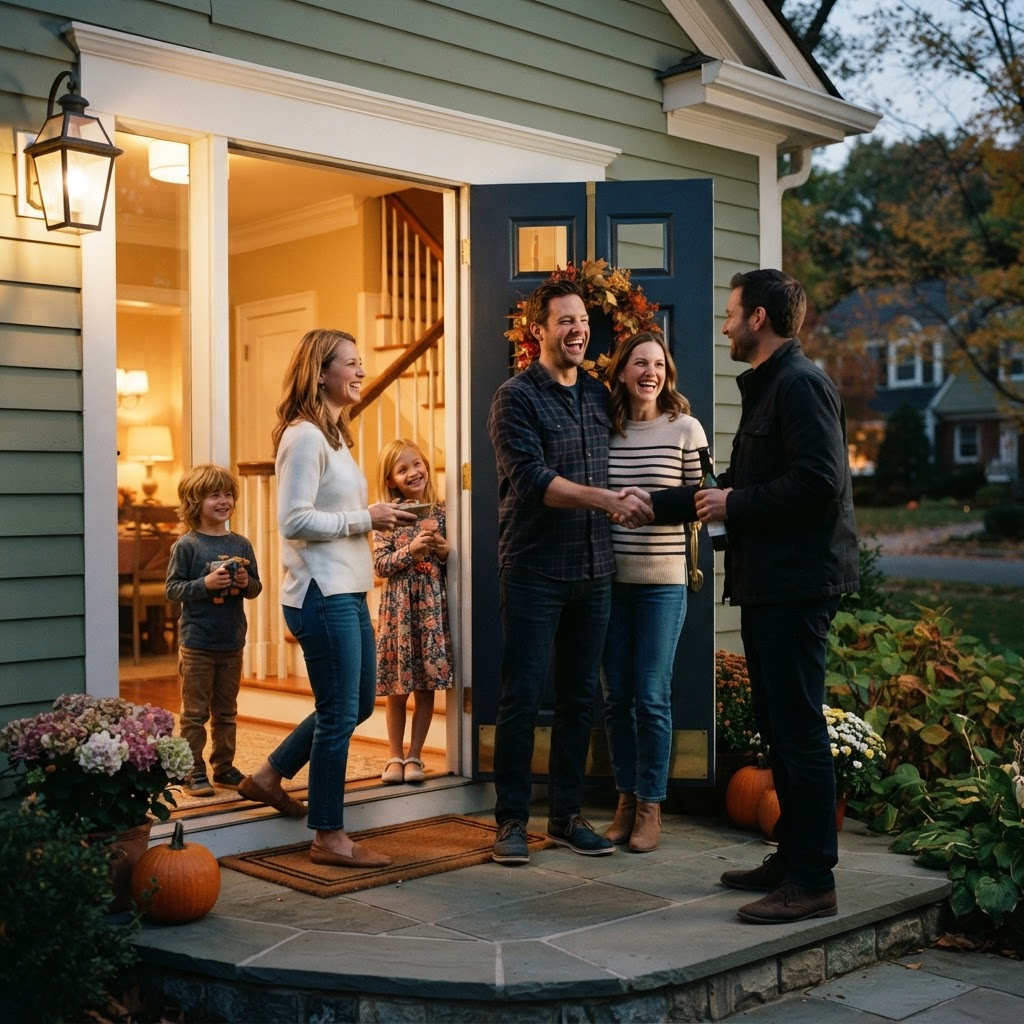
When we hear the word 'hospitality,' we often imagine perfectly staged homes, magazine-worthy table settings, and gourmet meals. It is no wonder so many of us feel like we can't 'do' hospitality. But biblical hospitality is much simpler—and much more profound. It is the act of making space for others, of creating a warm environment where people feel seen and known. It isn't about impressing; it is about connecting.
The 'Come As You Are' Mindset
The greatest barrier to hospitality is our own pride. We worry that our house isn't clean enough or our dinner isn't fancy enough. But here is a secret: your guests aren't looking for perfection; they are looking for warmth. When you invite someone into your home with all its real-life clutter, you give them permission to be real, too. That vulnerability is where true friendship is built.
Making Hospitality Manageable
You don't need a formal party to practice hospitality. You can invite people into your normal, everyday life. Here are some simple ways to make hospitality part of your family routine:
- Invite another family over for a simple pizza night rather than a complicated dinner party.
- Keep a box of simple games or art supplies ready to occupy guests of all ages.
- Focus on the conversation rather than the menu; keep the food simple so you can be present.
- Invite someone to join you for an activity you are already doing, like a neighborhood walk or a trip to the park.
Teaching Kids to Welcome Others
Hospitality is a wonderful way to teach your children about serving others. Encourage them to help in the process—let them choose a drink to serve, help set the table, or introduce them to the guests. When children participate in welcoming others, they learn that our home is not just for our own comfort, but a place to be a blessing to our community.
A Challenge for Your Week
Identify one person or family you haven't seen in a while and invite them over for something simple. It doesn't have to be a full meal; coffee and a store-bought treat will do. What is one way you can make your home feel like a sanctuary for someone else this week?
Creating Rhythms That Sustain Welcome
The transition from a home that feels like a private bunker to a home that functions as a hub of hospitality often requires moving from an event-based mindset to a rhythm-based one. Many parents exhaust themselves trying to host elaborate gatherings once or twice a year, only to burn out by November. Instead, consider the beauty of 'low-stakes' hospitality. Systems allow us to shepherd others without feeling overwhelmed. For instance, establish a standing Friday afternoon time where you are simply home and available. When you have a dedicated block of time, you don't have to scramble to find a date that works or spend hours cleaning. The system removes the stress of planning, which in turn frees up your emotional energy for the ministry of presence. When you are not worried about the state of the baseboards or the complexity of the recipe, you are finally free to listen to the burdens of your neighbor or share a laugh with a friend.
Removing Barriers Through Intentional Preparation
We often convince ourselves that our home is not 'ready' to host, but readiness is a state of heart, not a state of cleanliness. One practical system to overcome this is the 'seven-minute tidy.' Before your guests arrive, spend exactly seven minutes picking up common clutter—not deep cleaning, just creating a space that feels calm. By limiting the time, you protect yourself from the trap of perfectionism. This habit creates a culture of readiness where hospitality becomes a reflex rather than a burden. When you prioritize the soul over the scenery, you show your guests that they are more important than the state of your coffee table. This pivot transforms the environment of your home into a sanctuary where others can breathe, feel accepted, and experience the love of Christ in a tangible way. It is amazing how much grace can be found in a space where everyone feels allowed to simply be.
Cultivating a Culture of Spontaneous Connection
Beyond scheduled rhythms, there is a profound beauty in the unexpected knock at the door or the last-minute text invitation. Many families feel their homes are locked down by rigid schedules, yet some of the deepest ministry happens in the margin. Consider the 'pantry-raid' approach: keeping a few staples on hand—like high-quality pasta, a jar of pesto, or even just plenty of tea and snacks—allows you to say 'yes' to connection without a trip to the store. When we normalize impromptu visits, we dismantle the false image that we are people who have it all together. A lived-in home with an open door signals that you value people more than your schedule. It requires a shift in perspective where your living room serves as a mission field rather than a showroom. By embracing spontaneity, you teach your family that our homes exist to be shared, and that community often arrives unannounced.
The Power of the 'Shared Table' Example
Think of the Miller family, who found that their greatest moments of connection didn't happen over a three-course meal, but during a simple 'pancake Sunday' ritual. They decided every month to invite a different neighbor to join them for a casual morning breakfast. Because the meal was predictable and inexpensive, the pressure was entirely removed. They weren't trying to host a social event; they were building a relationship. Over time, that Sunday morning invitation became a lifeline for a lonely widow living next door and a way for the children to learn how to engage with generations outside their own age group. The Millers didn't need fancy decor or professional cooking skills; they only needed an open kitchen and an intentional heart. This worked because they chose consistency over complexity, proving that the most sustainable form of hospitality is the one you can actually keep doing week after week.
Practical Takeaways for Every Home
- Designate a 'hospitality drawer' or bin that contains napkins, a few board games, and extra coasters so you are always ready for a surprise visitor.
- Automate your menu: pick two 'go-to' meals that require minimal effort, such as taco night or breakfast for dinner, so you never have to guess what to serve.
- Practice the 'open door' policy by keeping your front porch light on or sitting in the front yard occasionally to make yourself accessible to your neighbors.
- Use your calendar to schedule one 'non-event' gathering per month where the primary goal is simply to be in the same room as someone else.
- Cultivate a habit of asking one question that shifts the conversation from surface-level talk to deeper meaning, such as asking about what someone is currently learning or finding hope in.
Strategic Steps for Inclusive Welcoming
- Create an 'arrival kit' for guests that includes the Wi-Fi password, a few clean towels, and a basket of toiletries to help overnight visitors feel comfortable immediately.
- Involve your guests in the process by asking if they would like to help with small tasks, such as tossing a salad or clearing plates; most people feel more at home when they are invited to contribute.
- Practice the art of 'active listening' by keeping your phone in a drawer during visits, sending the silent but powerful message that your guest has your undivided attention.
- Host a 'neighborhood porch party' that requires zero entry into the home, focusing on simple outdoor seating and basic refreshments to lower the barrier for newcomers.
- Reflect together as a family after each visit to discuss what you enjoyed most about the time spent together, reinforcing the value of connection over the logistics of the event.
Ultimately, the goal of opening our doors is to mirror the heart of a Savior who opened the way for us. When we view our homes as tools for ministry, the pressure to impress dissolves. We stop worrying about whether we are hosting well by human standards and start focusing on whether we are hosting well by Kingdom standards. May your walls hold laughter, your kitchen table be a place of healing, and your heart be ever open to the people God places in your path.